

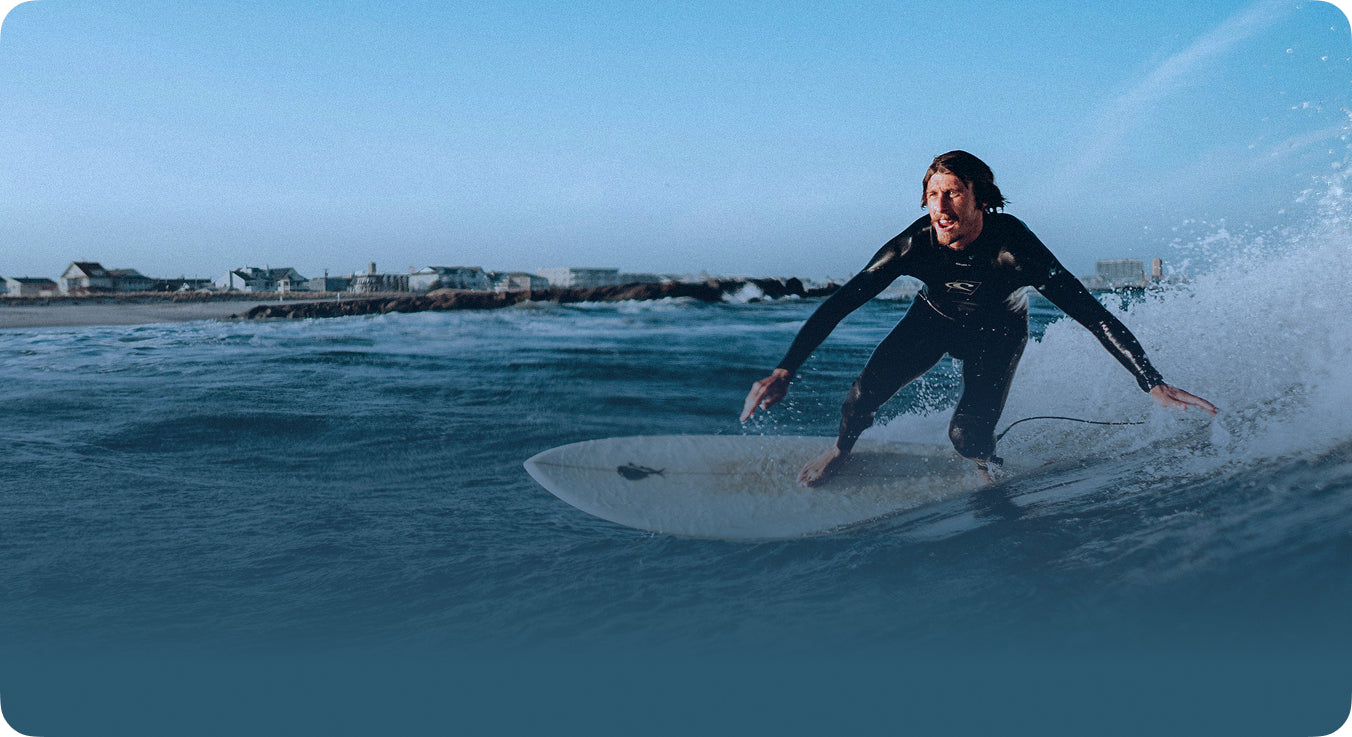
Surfing culture has evolved beautifully over the last decade.
Today, it’s widely recognized that experienced surfers in their 50s, 60s, and even 70s ride with confidence, style, and technique that often outshines younger crowds. The industry now celebrates this maturity — surf brands, magazines, and even competitions highlight “master surfers” who continue progressing year after year.
This guide is crafted for those seasoned riders — surfers who know what they’re doing, understand the ocean, and simply want to extend sessions, catch more waves, and paddle out with less strain. Whether you’re rediscovering your rhythm or surfing more often thanks to extra free time, these insights will help you stay strong, smooth, and energized in the water.
And yes, the electric Boost Fin plays a supportive role here — not as a crutch, but as a modern surf upgrade that enhances performance while keeping sessions fun and sustainable.

Why Master Surfers Thrive Beyond 50
As we gain years of surf experience, something shifts: you rely less on brute force and more on efficiency, timing, and intuition. Many accomplished surfers say that after 50, they surf smarter — choosing waves better, positioning perfectly, and fine-tuning technique.
Modern equipment has evolved alongside this mindset:
- lighter boards
- more stable shapes
- flexible wetsuits
- tech-enhanced gear like electric fins
This means surfing is more enjoyable — and more accessible — than ever before.
Understanding Fatigue: Not Age, but Efficiency
Fatigue on the paddle-out isn’t about age — it’s about conditions, technique, and equipment. Wind, rip currents, long paddle distances, crowded lineups, and inconsistent peaks drain energy from surfers of all ages.
Experienced surfers often notice:
- longer paddle-outs at reef breaks
- sets arriving faster
- more duck-dives than planned
- shoulder or back tension after big days
- less recovery time between waves
The good news? These aren’t barriers — they’re simply signals to optimize your approach.

Technique Upgrades for Effortless Paddling Out
Here are key adjustments master surfers use to conserve energy on choppy or demanding days:
1. Paddle in Smooth Arcs, Not Short Bursts
Long, deep strokes increase glide and reduce wasted energy.
2. Angle Out Instead of Paddling Straight Through Impact Zones
Diagonal lines use the wave’s energy rather than fighting it.
3. Time Sets with Precision
One of the biggest advantages of experienced surfers — patience beats power.
4. Keep Your Head Low and Weight Forward
Improves board speed and reduces drag on the paddle-out.
5. Learn Micro-breaks
A few seconds of resting between sets allows muscles to reset without losing position.
These techniques help any surfer — but combined with modern gear innovations, they become even more effective.

How an Electric Fin Enhances the Experience for 50+ Surfers
The Boost Fin isn’t about compensating for age — it’s about practicing surf in a more energy-efficient, wave-productive, and lineup-friendly way.
Here’s why many experienced surfers enjoy it:
Extra power during long paddle-outs
Reef breaks, deep channels, or windy days can turn paddle-outs into long-distance challenges.
The Boost Fin delivers up to 20–30 lbs of thrust, letting you maintain a steady pace without burning out early in the session.
Catch more waves without over-paddling
Master surfers excel at reading waves — you already see the peak, the shape, and the timing.
Boost simply gives a gentle push that: Sessions last longer — without feeling “spent”
Many surfers report that with Boost:
- they stay out 30–60 minutes longer
- they remain sharper and more focused
- they recover faster the next day
This is especially helpful for surfers who ride multiple times a week.
Confidence on days with stronger currents or wind
Currents don’t care if you’re 20 or 60 — they drain everyone.
The Boost Fin acts like a “backup engine” you can trigger anytime visibility or conditions drop.
Gentle on recovering shoulders or joints
Many surfers in their 40s–60s have experienced past shoulder injuries or surgeries.
Boost doesn’t replace paddling, but it reduces repetitive strain, allowing surfers to train, rebuild muscles, and continue enjoying the sport — comfortably.

Real Stories From Experienced Surfers Using Boost
From our community:
🏄 “I’ve been surfing since the 80s. Boost didn’t make me better — it made me surf more.” (62-year-old longboard rider)
🏄“After shoulder surgery, this fin helped me get back into shape faster. Now I use it about 40% of sessions.” (55-year-old shortboarder)
🏄 “It’s perfect on days when the wind picks up. Lets me save energy for actual surfing, not just paddling.” (58-year-old SUP surfer)
Stories like these make one thing clear: Boost Fin is not an age-related tool — it’s a performance upgrade that adapts to your style.

Choosing Between Boost Fin Plus and Long Range
Both versions suit experienced surfers — the choice depends on session style.
Boost Fin Plus (Standard)
- ~100 minutes runtime
- lightweight
- ideal for shortboard/longboard paddle-outs
- perfect for 3–5 ft surf days
Boost Fin Long Range
- up to ~180 minutes runtime
- more thrust
- suited for bigger boards, SUP surfing, and long sessions
If you surf multiple breaks or walk long distances to your spot, the Long Range model offers more flexibility.

The Mindset Shift: Surf Smarter, Not Harder
Master surfers know something younger surfers often don’t: The goal isn’t to fight the ocean — it’s to flow with it.
Boost Fin isn’t about replacing skill.
It’s about preserving energy so you can:
- stay sharp
- stay safe
- stay stoked
- stay surfing for decades
That’s the real perk.
For experienced surfers 50+, the future of surfing looks brighter than ever. With refined technique, mindful energy management, and modern gear like the Boost Fin, paddling out becomes smoother, sessions last longer, and the joy of catching waves only grows.
Surfing isn’t about age — it’s about rhythm, ocean knowledge, and passion.
If anything, Boost Fin simply helps you enjoy more of what you already love.
Share:
365 Days Later: Why I’d Buy Boost Again
Electric Fin for Weekend Surfers: Catch More Waves in Less Time